
The Pokémon TCG market has never been more active. Whether you’re sitting on a childhood binder, flipping modern hits, or running a small side‑hustle, knowing how to sell your Pokémon cards for maximum profit can make a massive difference. This guide breaks down everything you need to know — from identifying valuable cards to choosing the best selling platforms and avoiding common pitfalls.
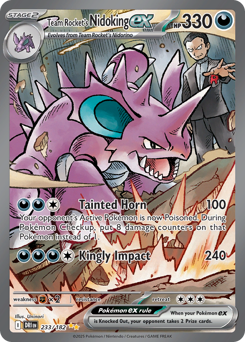
⭐ 1. Know What Your Cards Are Worth
Before you sell anything, you need to understand true market value.
🔍 Check Recent Sold Listings
Use platforms like:
- eBay (filter to Sold Listings)
- TCGplayer market prices
- Cardmarket (EU)
- Price‑tracking tools like PokéData or PriceCharting
Focus on actual sales, not asking prices.
🏷️ Identify Key Value Factors
A card’s value depends on:
- Set & rarity (e.g., Secret Rare, Full Art, Gold)
- Edition (1st Edition, Shadowless, Unlimited)
- Condition (raw or graded)
- Popularity (Charizard, Eeveelutions, waifus, etc.)
- Playability in competitive formats
If you’re unsure, compare your card to high‑resolution images online to confirm edition and print details.

⭐ 2. Evaluate Condition Carefully
Condition is everything in the TCG world. A card that looks “mint” to you might be “lightly played” to a collector.
🧼 Standard Condition Grades
- Near Mint (NM) – Clean, minimal wear
- Lightly Played (LP) – Minor edge wear
- Moderately Played (MP) – Noticeable wear
- Heavily Played (HP) – Major wear
- Damaged – Creases, water damage, etc.
Collectors pay a premium for NM or better, so be honest and conservative with your grading.

⭐ 3. Consider Grading High‑Value Cards
Grading can dramatically increase a card’s value — but only when the card is in strong condition.
🏆 When Grading Makes Sense
Consider grading if your card is:
- Vintage (WotC era)
- A chase card (Charizard, Umbreon, Lugia, etc.)
- In excellent condition
- Worth €100+ raw
🧪 Popular Grading Companies
- PSA
- Beckett (BGS)
- CGC
- Ace Grading (UK)
Grading adds cost and time, so calculate whether the potential value increase is worth it.
⭐ 4. Choose the Best Selling Platform
Different platforms suit different types of sellers.
🛒 Best Places to Sell Pokémon Cards
| Platform | Best For | Pros | Cons |
|---|---|---|---|
| eBay | Singles, graded cards | Huge audience, auction or BIN | Fees, shipping risk |
| TCGplayer | Competitive singles | Trusted by players | Fees, strict condition standards |
| Cardmarket (EU) | European sellers | Low fees, easy listing | EU‑only |
| Facebook Groups | Local deals | No fees | Scams, no seller protection |
| Local Game Stores | Bulk or quick cash | Instant payment | Lower payouts |
If you want maximum profit, marketplaces with large buyer pools (eBay, Cardmarket) usually win.
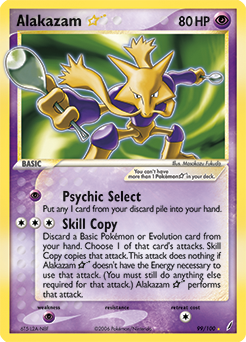
⭐ 5. Take High‑Quality Photos
Good photos build trust and increase your selling price.
📸 Tips for Great Card Photos
- Use natural lighting
- Photograph front and back
- Show edges and corners
- Avoid glare
- Use a clean background
- Include graded slab cert number (if applicable)
Buyers pay more when they know exactly what they’re getting.

⭐ 6. Write Clear, Honest Descriptions
A strong listing reduces disputes and boosts buyer confidence.
📝 Include Details Like:
- Set name and number
- Condition grade
- Any flaws (whitening, scratches, dents)
- Whether the card is authentic
- Storage conditions (e.g., smoke‑free home)
Honesty leads to better reviews and repeat buyers.
⭐ 7. Protect Your Cards During Shipping
Nothing kills profit like a damaged card claim.
📦 Safe Shipping Checklist
- Penny sleeve
- Toploader or card saver
- Team bag
- Bubble mailer
- Tracking for higher‑value cards
- Insurance for expensive shipments
Your reputation as a seller depends on safe delivery.
⭐ 8. Avoid Common Mistakes
Many sellers lose money because of simple errors.
❌ Mistakes to Avoid
- Undervaluing cards by not checking sold listings
- Overgrading condition
- Using poor photos
- Accepting risky payment methods
- Selling to the first offer without research
- Not accounting for platform fees
A little preparation goes a long way.
⭐ Final Thoughts
Selling Pokémon cards for maximum profit isn’t just about listing them online — it’s about understanding the market, presenting your cards professionally, and choosing the right selling strategy. Whether you’re offloading a binder or building a long‑term flipping business, these steps will help you get the best return on every card.
Leave a Reply